

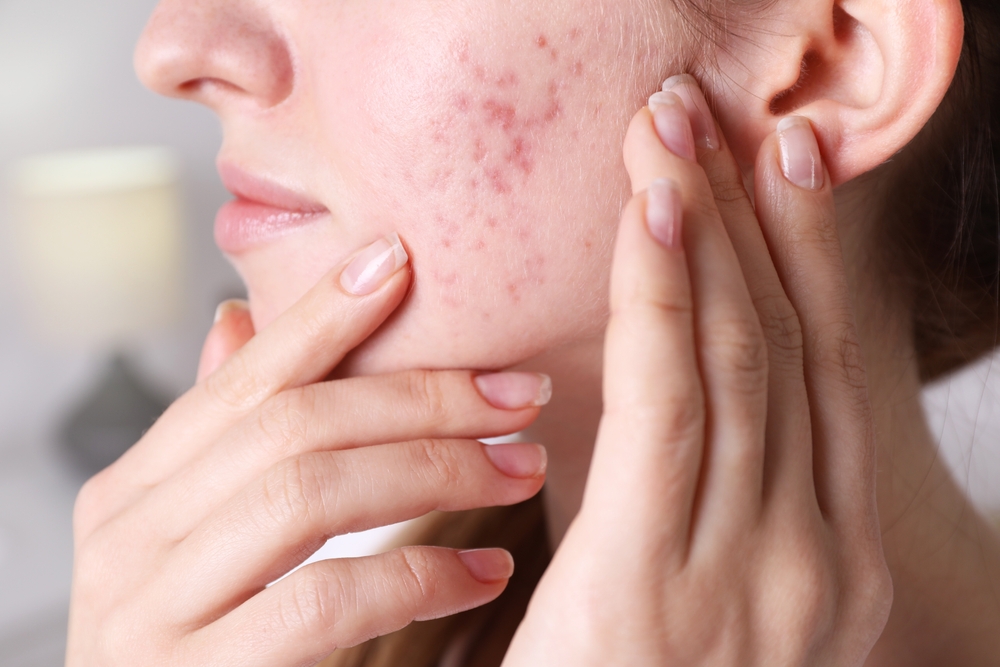
The Gut-Skin Axis: When Your Gut Speaks to Your Skin
WHEN YOUR GUT IS SPEAKING TO YOUR SKIN – WHAT DOES IT SAY?
Did you know that your gut speaks to your skin? Your gut microbes are in constant communication with your skin via a bi-directional network called the ‘gut-skin axis’.
Your gut is home to 100 trillion microorganisms that influence your skin’s health on a daily basis. It acts as your body’s largest hormone factory, creating 30 different compounds that directly impact your skin.
The gut-skin connection runs deeper than most realise. Changes in gut bacteria can trigger skin issues like acne, psoriasis, or eczema. Research shows that people with rosacea often experience more digestive problems than those with clear skin.
We can help you decode these gut-skin conversations, showing how your digestive system communicates with your skin and what it means for your health.
THE GUT-SKIN CONNECTION: A TWO-WAY STREET
“The full communication between the skin and the gut is still not fully understood. We have pieces of information with the short chain fatty acids and the immune system, but we are still missing the big picture” — Dr. Caroline Le Poole, Immunologist and dermatologist at Northwestern University Chicago
Your skin and gut share remarkable similarities. Your skin covers 270 square feet, while your gut extends to 323 square feet. These barriers work together through the gut-skin axis.
Your gut bacteria perform vital functions such as helping digestion and creating essential nutrients. Gut bacteria also create essential brain chemicals that affect your skin, including GABA for itch relief, dopamine for hair growth, acetylcholine for skin barrier protection, and serotonin for skin colour regulation. Remarkably, 70-80% of your immune cells live in your gut. Any bacterial imbalance can trigger inflammation and skin problems.
SKIN SIGNALS: WHEN YOUR GUT NEEDS ATTENTION
The gut ecosystem is a delicately balanced environment. Even minor changes in microbial species and balance can trigger skin inflammation, highlighting the importance of maintaining healthy gut bacteria.
Major gut microbiome skin disruptors are:
DIET DANGERS
The standard Western diet, rich in processed foods, sugars modified fats, and additives, directly reduces beneficial gut bacteria. High-fat foods particularly harm bacterial diversity, causing weakened barriers, thinner mucus, and inflammation.
HIGH FAT DIETS:
Can decrease beneficial bacteria, weaken gut barriers and trigger inflammation
HIDDEN FOOD ADDITIVES
Food processing introduces harmful substances, with research linking preservatives and emulsifiers to anxiety, and contributing to skin issues, through gut microbe disruption. We suggest limiting these additives.
ENVIRONMENTAL CHALLENGES
Daily threats to gut bacteria include antibiotics, toxins, stress, poor sleep, and insufficient exercise.
LIFESTYLE IMPACTS
Smoking affects skin bacteria directly, while excess caffeine, sugar, and alcohol disrupt gut balance, often manifesting as acne, eczema, and psoriasis.
POOR GUT HEALTH MAY = POOR NUTRIENT ABSORPTION
When your gut struggles to absorb essential fats like omega 3, your skin may become dry and lacklustre.
‘LEAKY GUT’ AND YOUR SKIN
A weakened gut barrier, often termed ‘leaky gut’, allows bacteria into your bloodstream. Research shows psoriasis patients’ blood contains gut bacterial DNA due to bacterial translocation, with chronic cases showing increased inflammation.
SKIN TROUBLES? Is it linked to your gut bacteria?
There are many links to showing how gut bacteria and poor digestion are linked to skin health;
ROSACEA & SIBO: The Gut-Skin Connection
Gut connection: Studies show that people with rosacea are significantly 13 times more likely to have SIBO [17], and treating SIBO often leads to an improvement in rosacea symptoms. The bacterial overgrowth in the small intestine triggers chronic inflammation, which can worsen facial redness and sensitivity. When treated for SIBO, 80% see improvements lasting 9+ months [18]
Common gut-related triggers: Poor gut motility, low stomach acid, and diets high in fermentable carbohydrates (FODMAPs) can fuel SIBO, leading to systemic inflammation that worsens rosacea flare-ups. 50% of people with SIBO have leaky gut, while gut bacteria like Butyrivibrio help protect against rosacea [17], while Bifidobacteria reduces inflammation [17] and A. muciniphila maintains skin health [16]. Gut-targeted treatments often clear rosacea [18], demonstrating the gut-skin connection.
ACNE: The Gut-Skin Connection
Gut connection: Gut dysbiosis and increased intestinal permeability (leaky gut) can trigger systemic inflammation, leading to excess oil production and breakouts.
Common gut-related triggers: Poor digestion, high-sugar diets, and an imbalance of gut bacteria.
ECZEMA (Atopic Dermatitis): The Gut-Skin Connection
Gut connection: Imbalances in gut bacteria (dysbiosis) and increased intestinal permeability (leaky gut) can trigger inflammation and immune dysfunction, worsening eczema.
Common gut-related triggers: Food sensitivities, poor digestion, and an overgrowth of harmful bacteria.
PSORIASIS: The Gut-Skin Connection
Gut connection: Studies suggest that people with psoriasis often have a higher prevalence of intestinal permeability (leaky gut) and microbial imbalances.
Common gut-related triggers: Poor gut health can increase systemic inflammation, leading to psoriasis flare-ups.
GOOD FOR YOUR GUT AND SKIN
Below are some foods that can help the gut-skin axis. However, if you have SIBO or dysbiosis you may need to work on the imbalance first before you can tolerate adding these foods into your diet.
FIBRE:
Fibre-rich foods boost helpful bacteria that protect skin and fight harmful bacteria [1].
PREBIOTIC FOODS:
Garden Heroes:
- Garlic and onions – feed good bacteria [32]
- Jerusalem artichokes – special fibre-rich food [32]
- Dandelion greens – high fibre content [32]
Grain Champions:
- Barley – contains beta-glucan [33]
- Oats – fibre-rich [33]
Fruit Friends:
- Bananas and kiwis – prebiotic-rich [32, 33]
FOODS THAT UPSET THE BALANCE
High-Fat Diet Dangers:
- Reduces beneficial gut bacteria
- Weakens gut barriers
- Thins protective mucus
- Triggers inflammation [1]
- Artificial trans fats promote harmful Desulfovibrionaceae while reducing beneficial bacteria [1].
Protein Overload Problems: Your body produces:
- Indoxyl sulfate
- Trimethylamine N-oxide
- P-cresyl sulfate-like toxins [1]
These can worsen joint pain and psoriasis [1].
Western Diet Watch-Outs:
- Alcohol damages gut bacteria [21]
- Sugar triggers acne [22]
- Skimmed milk may worsen breakouts [22]
If you are struggling with your skin and also have digestive issues why not book in with Olga, our resident digestive health and skin expert. You can read more about Olga here. And you can easily book a free 10 minute discovery call to discuss how Olga can help you
FAQs
Q1. What is the gut-skin axis?
The gut-skin axis describes the bidirectional communication between the gut microbiome and skin health. Your gut is home to 100 trillion microorganisms that influence your skin daily. Gut dysbiosis (imbalanced bacteria), intestinal permeability (leaky gut), and conditions like SIBO can all trigger or worsen skin conditions including acne, eczema, rosacea, hives, and psoriasis.
Q2. Can SIBO cause skin problems?
Yes. SIBO is associated with a range of skin conditions including rashes, eczema, acne rosacea, and hives. The mechanism involves intestinal permeability — SIBO damages the gut lining, allowing bacterial endotoxins and undigested food particles into the bloodstream, triggering systemic inflammatory responses that manifest in the skin.
Q3. Is there a link between SIBO and rosacea?
Yes — research shows a significant association between SIBO and rosacea. Studies have found SIBO to be considerably more prevalent in rosacea patients than in controls, and some studies have shown improvement in rosacea symptoms following SIBO treatment. SIBO is now considered a potential contributing factor in rosacea that is worth investigating.
Q4. Can treating gut issues clear skin problems?
For clients whose skin conditions stem from gut imbalance, addressing SIBO, leaky gut, or dysbiosis can significantly improve skin symptoms. Many of our clients report skin improvements as a secondary benefit of gut treatment. Results vary by individual and depend on the specific skin condition and its underlying drivers.
Q5. What indicates gut-related skin problems?
Key signs include persistent acne, eczema, rosacea, and unexplained rashes, often with digestive symptoms like bloating.
Q6. Can diet improve both systems?
Yes. Focus on fibre, prebiotics, and probiotics while limiting processed foods and sugar.
Q7. How do stress and sleep matter?
Both can disrupt gut bacteria and increase inflammation, affecting skin. Good sleep and stress management are essential.
References
[1] – https://zoe.com/learn/the-gut-skin-axis [2] – https://pubmed.ncbi.nlm.nih.gov/35625774/ [3] – https://asm.org/articles/2023/january/gut-microbiome-communication-the-gut-organ-axis [4] – https://pmc.ncbi.nlm.nih.gov/articles/PMC7916842/ [5] – https://www.ifm.org/podcast/exploring-the-gut-skin-connection [6] – https://pmc.ncbi.nlm.nih.gov/articles/PMC9311318/
For more research and insights, visit: [7-12] Additional studies on gut-skin health connections available at biotifulguthealth.com, cdhf.ca, dermnetnz.org, and other scientific journals.
[13] – https://theconversation.com/how-the-health-of-your-gut-microbiome-can-affect-your-skin-230286 [15-16] – Research on IBS and skin health from avogel.co.uk and PMC [18-20] – Studies on bacterial compounds and skin protection from NIH and Frontiers in Nutrition [21-23] – Research on gut-skin axis from BMJ, PMC, and WebMD [25-27] – Additional insights on gut health and skin from Dermatology Times, PMC, and DermNet NZ
For more research and evidence-based findings, explore these scientific resources examining the intricate relationship between gut and skin health.
[28-30] – Studies on gut-skin connection from Frontiers in Medicine, News Medical, and PMC
[31,33] – Dietary guidelines for gut health from EatingWell and Healthline
Research on stress and skin health from PMC and Harvard Health
Scientific studies on gut-skin axis from PMC and NIH databases
Evidence on probiotics and prebiotics for skin health from Healthline and WebMD
For additional scientific evidence exploring the complex relationship between digestive and skin health, refer to these authoritative sources that examine clinical research, dietary interventions, and the impact of gut bacteria on skin conditions.
